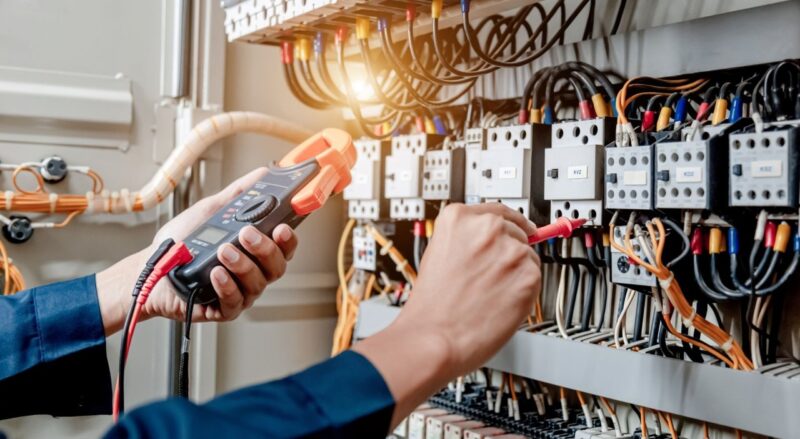
High voltage testing and commissioning is a critical phase in delivering safe, reliable electrical infrastructure. It bridges the gap between construction and live operation, ensuring that installed assets perform as designed and comply with technical, safety, and regulatory requirements. A structured commissioning process reduces risk, prevents early failures, and provides confidence before energisation.
Installation checks and pre commissioning preparation
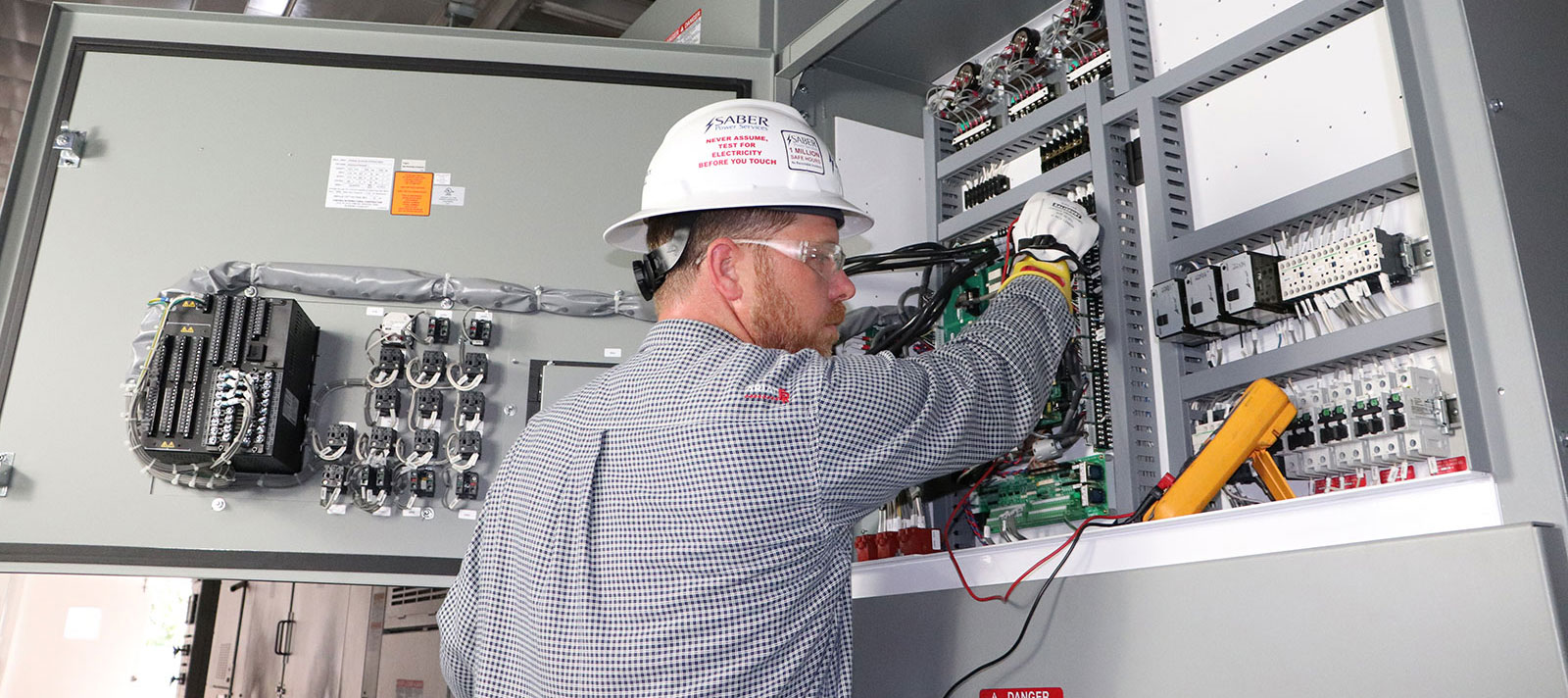
The commissioning process begins well before any high voltage testing is applied. Thorough installation checks confirm that equipment has been installed in accordance with drawings, standards, and manufacturer requirements. This includes verification of clearances, torque settings, earthing continuity, cable terminations, protection wiring, and labelling.
Teams that want to learn more about high voltage test & commissioning often find that many issues are identified at this stage rather than during formal testing. Addressing problems early avoids failed tests, delays, and unnecessary stress on equipment. Pre commissioning activities also include document reviews, as built drawing verification, and confirmation that permits, procedures, and safety plans are in place.
At this point, systems should still be isolated and proven de energised. Lockout and tagging procedures, access control, and test equipment calibration checks are essential to maintaining a safe working environment before high voltage is introduced.
High voltage testing and functional verification

Once pre commissioning checks are complete, formal high voltage testing can begin. These tests verify the integrity of insulation systems, cables, switchgear, transformers, and associated equipment. Typical tests include insulation resistance, dielectric withstand tests, primary injection, secondary injection, and cable testing depending on asset type and voltage level.
Protection systems are a major focus during this stage. Relays, interlocks, alarms, and control logic must be tested to confirm correct operation under normal and fault conditions. Functional testing ensures that protection schemes trip as intended and that signals are correctly communicated to control systems and remote interfaces.
Testing is performed in a controlled sequence to minimise risk. Results are recorded and compared against acceptance criteria. Any failures or anomalies must be investigated and resolved before progressing further. This disciplined approach ensures that equipment is not exposed to unnecessary stress and that safety systems are fully operational.
Energisation planning and final commissioning

Energisation is the most critical milestone in the commissioning process. It requires careful coordination between testing teams, operators, network authorities, and stakeholders. Detailed energisation plans define roles, communication protocols, switching sequences, and contingency actions.
Before energisation, final checks confirm that all tests are complete, documentation is signed off, and approval to energise has been granted. During energisation, parameters such as voltage, current, temperature, and system behaviour are closely monitored to confirm stable operation.
Post energisation monitoring continues for a defined period to ensure there are no abnormal conditions or latent issues. Any outstanding defects are addressed, and final commissioning reports are completed to provide a clear record of the process and outcomes.
Conclusion
HV testing and commissioning is not just a technical requirement, but a risk management process that protects people, equipment, and the wider power system. From early installation checks through to controlled energisation, each stage plays a vital role in delivering safe and reliable outcomes. A well planned and executed commissioning program ensures assets enter service with confidence, compliance, and long term performance in mind.