
Commercial laundry equipment must handle frequent use, varying load sizes, and demanding operating schedules. Choosing unsuitable machines can lead to long customer waiting times, repeated breakdowns, high utility bills, and expensive maintenance.
A successful laundromat needs equipment that balances capacity, durability, efficiency, and ease of use. Before purchasing, operators should evaluate customer demand, available space, utility connections, and the long-term cost of owning each machine.
Choose the Right Machine Capacity and Mix
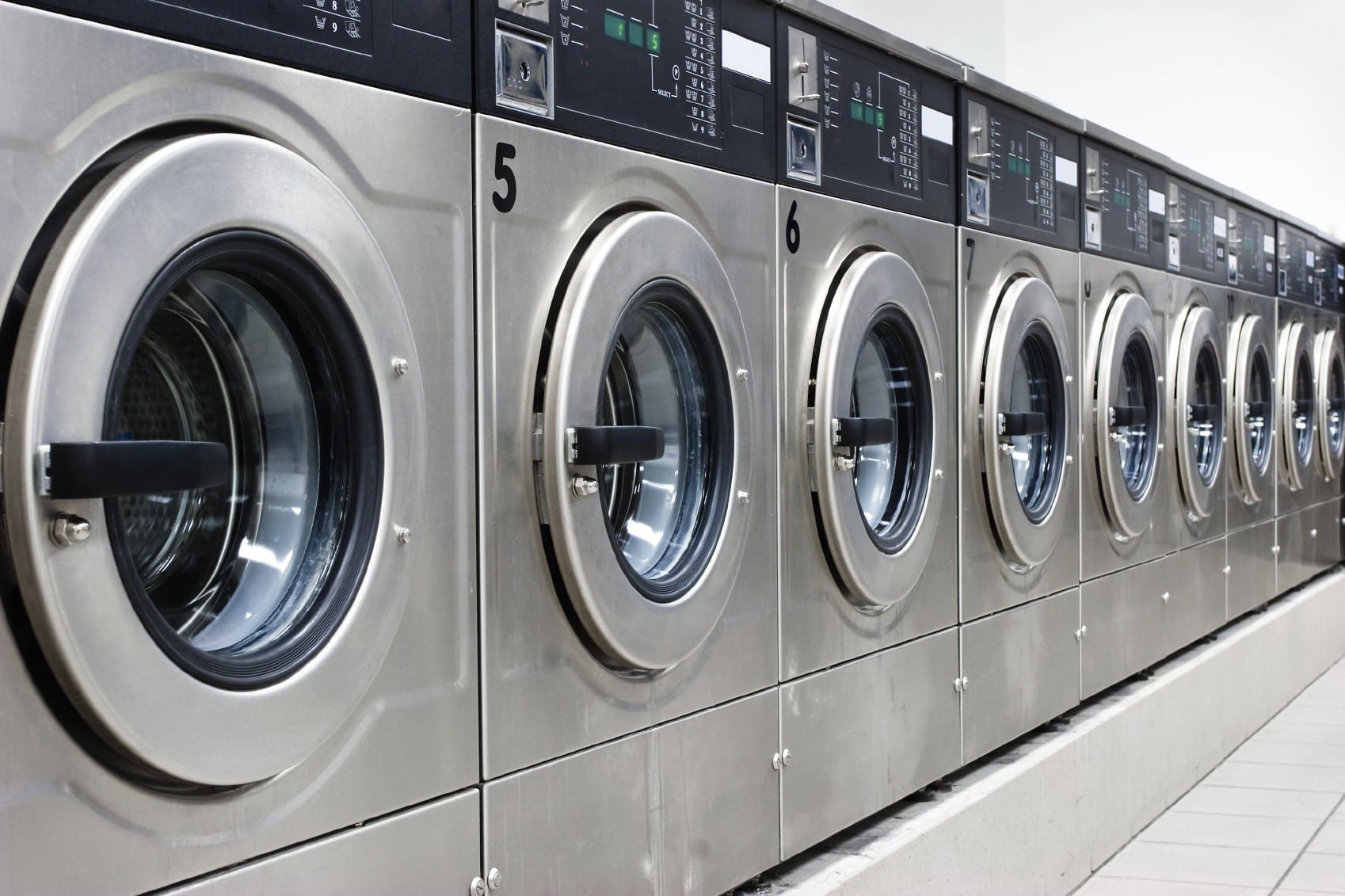
Start by estimating how many customers the laundromat will serve during both normal and peak periods. A small number of large machines may not provide enough flexibility, while too many low-capacity machines can make it difficult to handle bulky items.
A varied equipment mix allows customers to choose an appropriate machine for clothing, bedding, towels, and other loads. Standard-capacity washers may handle everyday laundry, while larger machines can accommodate doonas, blankets, and family-sized loads.
Consider how washers and dryers will work together. Insufficient dryer capacity can create queues even when washing machines are available. The quantity and capacity of dryers should reflect expected washer use and average drying times.
Operators comparing specialist suppliers can browse here for a commercial washing machine for sale, because wholesale laundry products are not generally available from a retail white goods store. Commercial suppliers can also explain installation requirements and equipment configurations for busy locations.
Compare Durability, Efficiency and Operating Costs
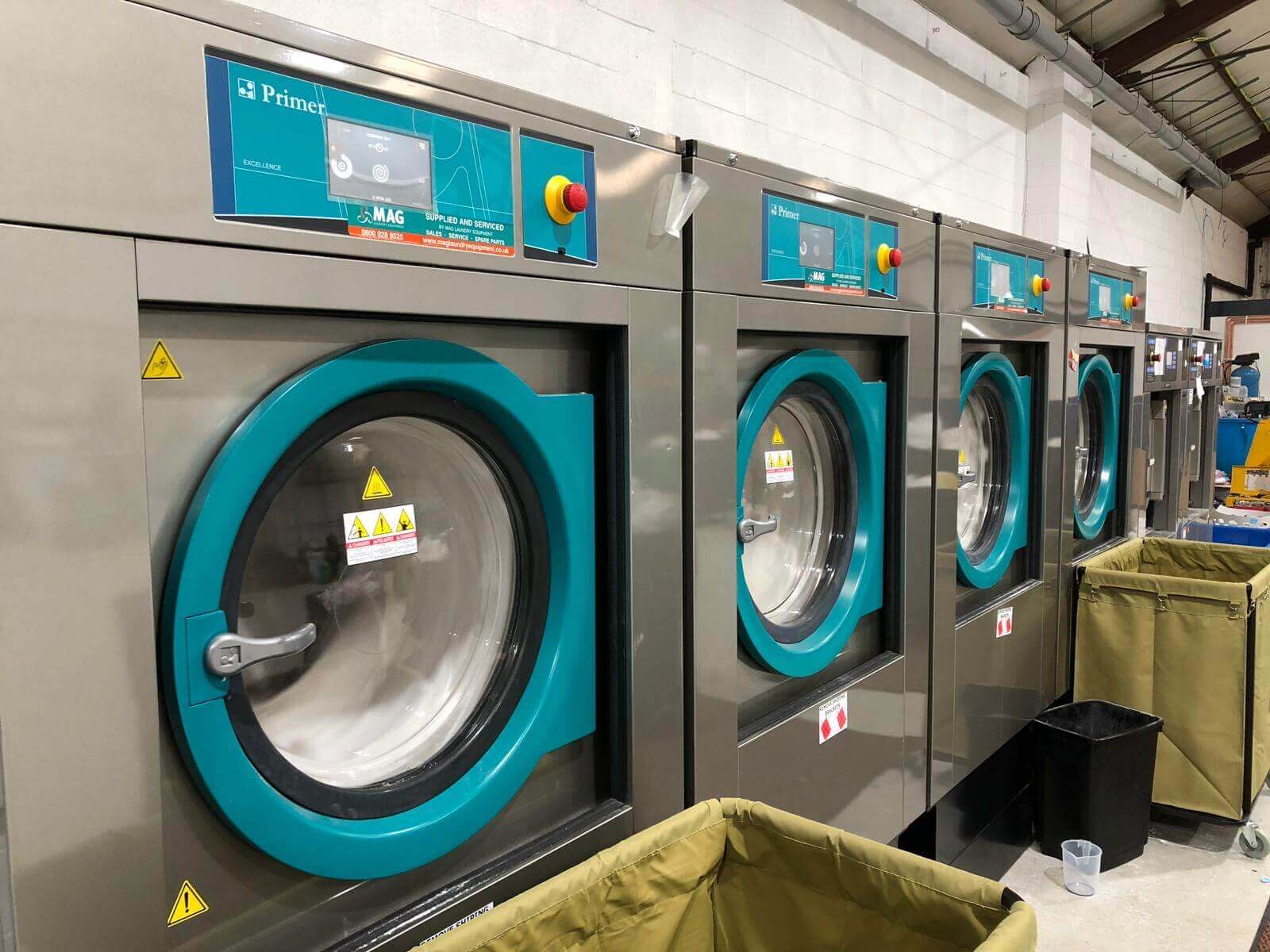
The purchase price represents only one part of the total investment. Water consumption, electricity or gas use, detergent requirements, maintenance, replacement parts, and downtime can have a greater effect on profitability over the machine’s working life.
Look for equipment designed specifically for repeated commercial cycles. Domestic machines are generally not built for the workload of a busy laundromat and may wear out more quickly when used continuously throughout the day.
Efficient machines can reduce utility expenses without lowering cleaning performance. Compare water use per cycle, extraction speed, programme length, and dryer efficiency. Higher extraction speeds remove more moisture from washed items, which may shorten drying times and reduce energy consumption.
Controls should be simple enough for first-time customers to understand. Clear programme options, visible instructions, and accessible payment systems can reduce user errors and the number of assistance requests received by staff.
Plan for Installation, Maintenance and Future Demand
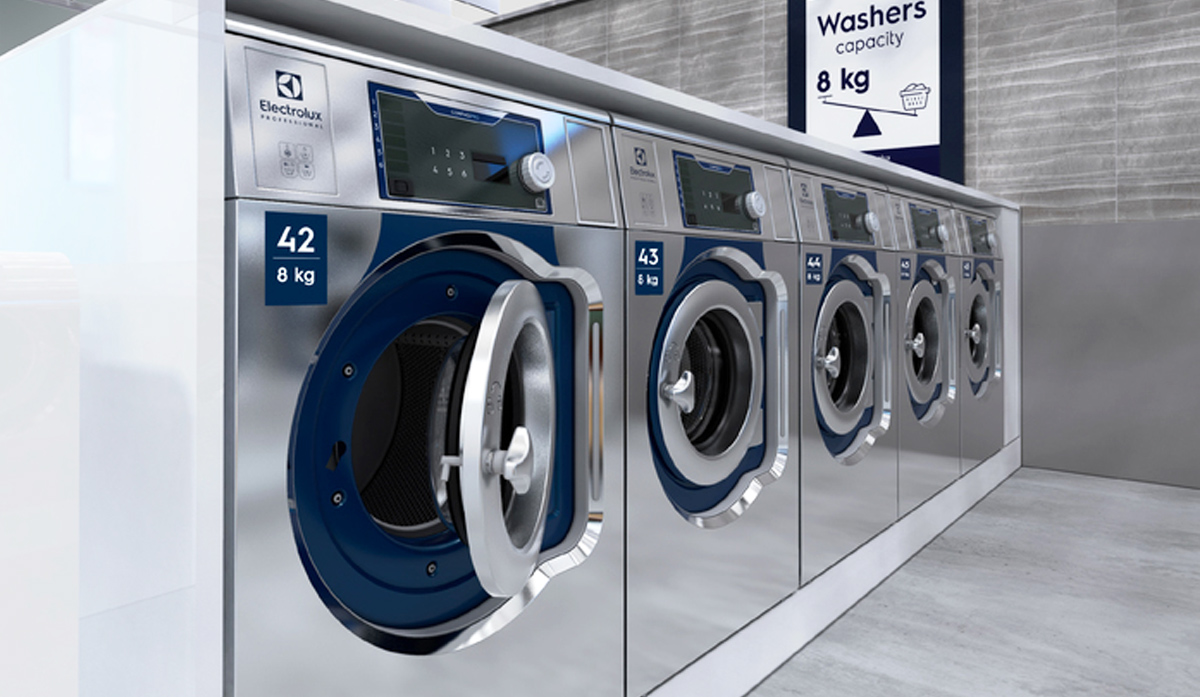
Before ordering equipment, inspect the laundromat’s plumbing, drainage, ventilation, electrical supply, gas connections, floor strength, and available access. Commercial machines may have installation requirements that differ significantly from standard household appliances.
Measure doors, corridors, and the proposed machine layout to confirm that equipment can be delivered and positioned safely. The layout should give customers enough room to load machines, move baskets, and access folding areas without creating congestion.
Ask suppliers about warranties, technician availability, replacement parts, and expected service response times. A lower-priced machine can become costly if repairs take several days or essential components are difficult to obtain.
Allow space for future expansion if demand is likely to grow. A modular layout can make it easier to add machines, upgrade payment technology, or introduce larger-capacity equipment without rebuilding the entire premises.
Conclusion
Choosing commercial laundry equipment requires careful analysis of customer demand, machine capacity, durability, efficiency, and installation requirements. The best equipment mix keeps customers moving while controlling utilities and maintenance costs.
By working with a specialist supplier and considering the complete ownership cost, laundromat operators can build a reliable setup that supports daily demand, reduces downtime, and remains practical as the business grows.